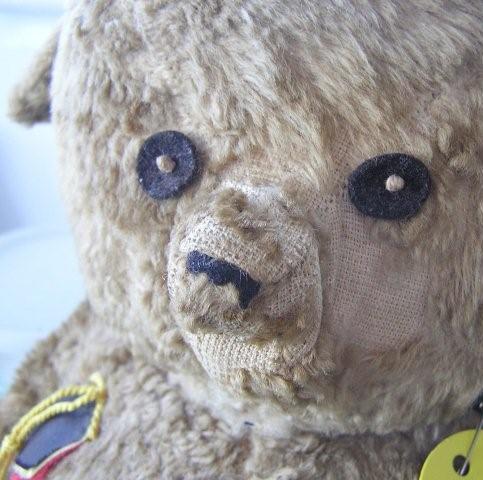
Abrasion
Roughening or wearing away of an object’s surface due to repeated friction or contact with other surfaces.
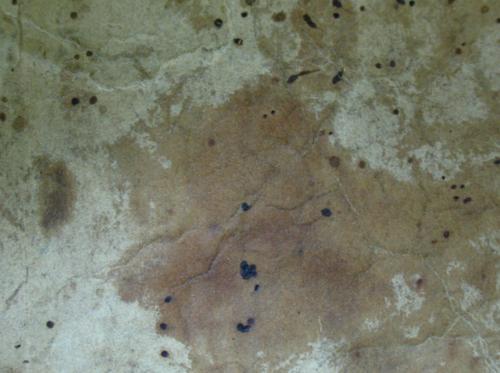
Accretion
A solid build-up of matter attached to the surface of an object.
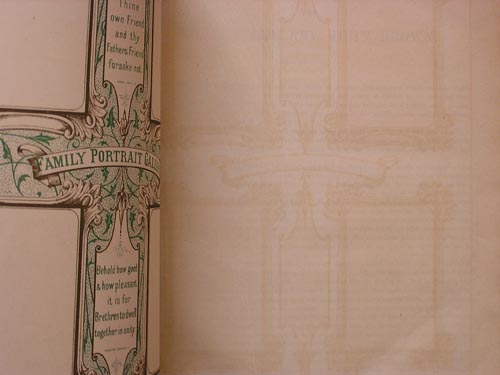
Acid Migration
The transfer of acidic substances between two surfaces in contact with each other; often causing localised staining and discolouration.
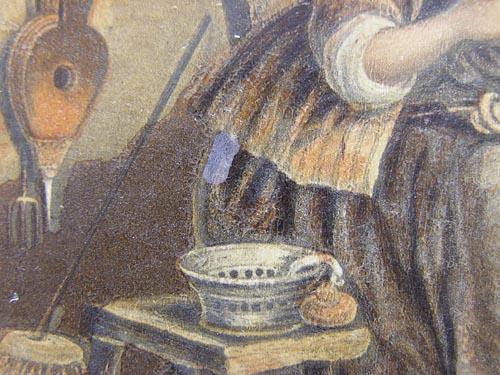
Blanching
Where a previously clear and transparent surface (e.g. a varnish) has become white and/or opaque. Similar in appearance to bloom.
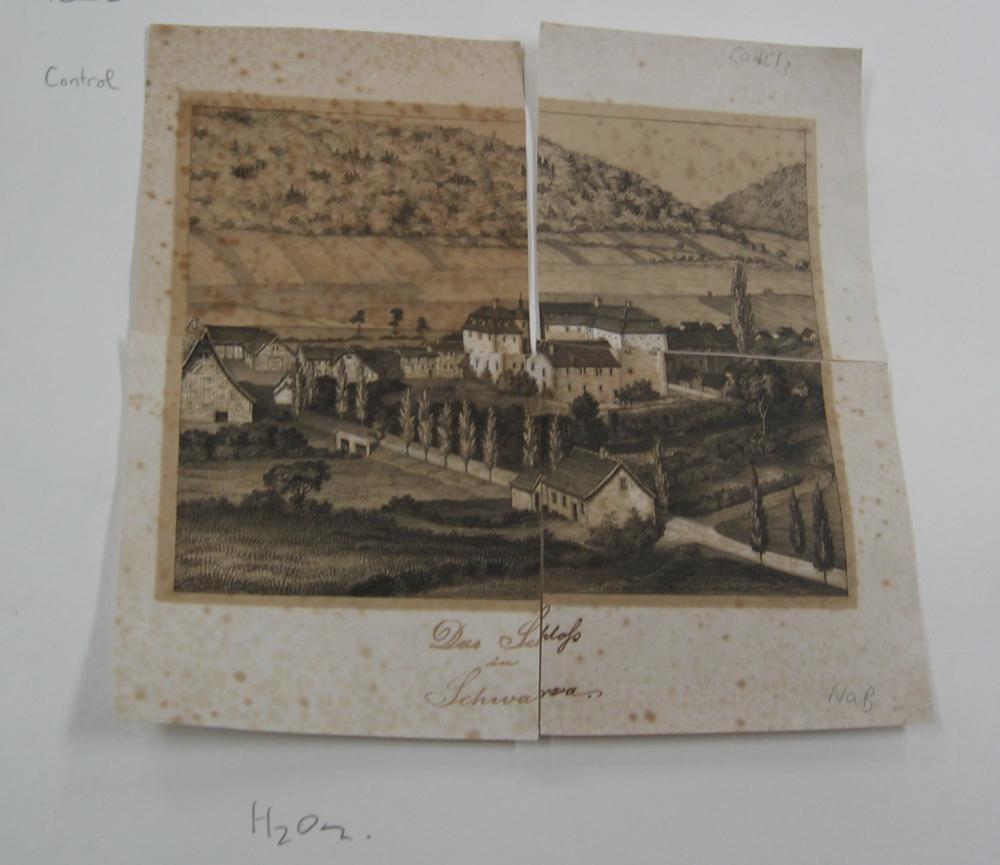
Bleaching
Where a material becomes lighter in colour due to the action of various solvents or light. Sunlight, especially the ultraviolet component, can be particularly damaging.
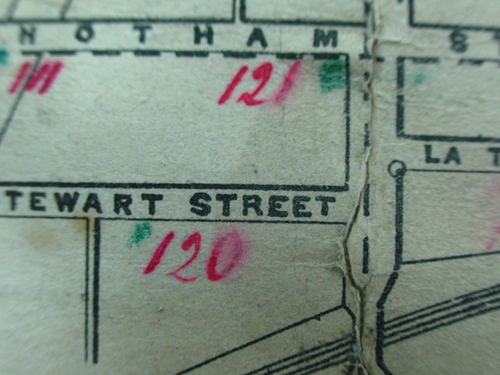
Bleeding
Where an ink, paint or dye has become partially soluble and has wicked into surrounding areas of the support (usually paper or textile), resulting in a “blurry” appearance.
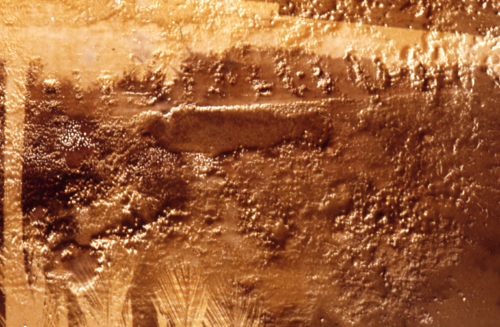
Blistering
A raised area, bulge or bubble on the surface of an object, often between adjoining layers of different materials. May be caused by a loss of adhesion between two layers, excessive heat, or pockets of trapped air or liquid.
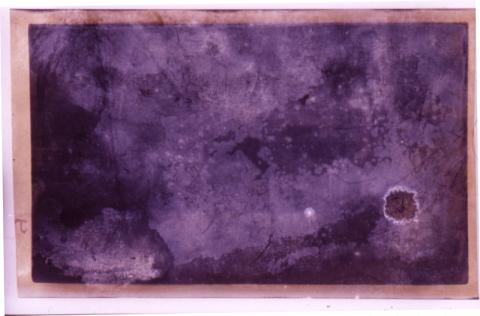
Bloom
On metals, a loose, flower-like corrosion product which forms when certain metals are exposed to a moist environment. On paintings or varnished objects, a cloudy appearance within the varnish, probably caused by the presence of moisture on the surface of the paint or within the varnish itself. Also used to describe the visible appearance of active mould spores.
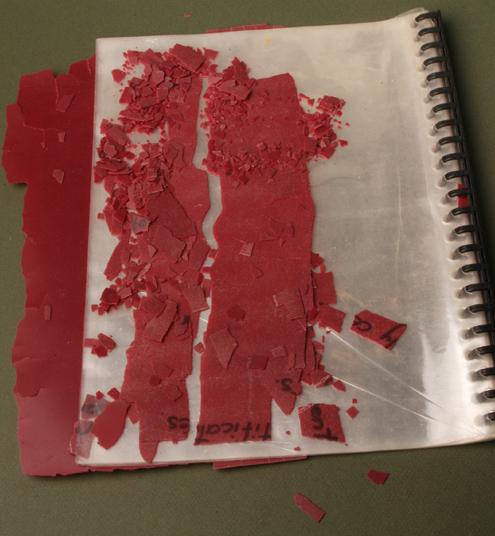
Brittle
A property or condition of materials such as paper, cardboard and adhesives that causes a loss of strength and flexibility, often causing the material to break when it is deformed by bending. Paper is said to be brittle when a corner will not withstand two complete folds without breaking. Plastics also become brittle, through the loss of plasticising agents.
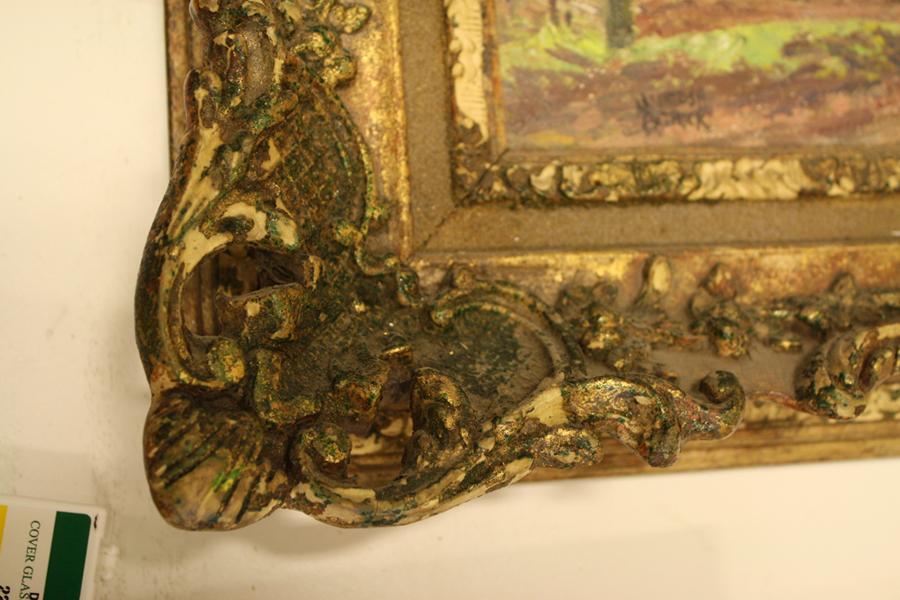
Bronze disease
Corrosion of copper and bronze objects caused by the production of copper chlorides, which break down the normally protective surface patinas. Light blue-green blisters form on the surface. When they are touched, they crumble and fall away leaving a pitted surface. The corrosion is cyclic, setting up reactive and destructive corrosion cells on the surface of the metal.
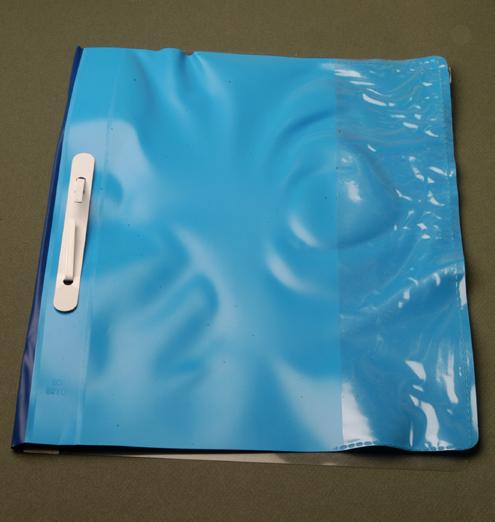
Buckling
Distortion caused by shrinkage or compression.
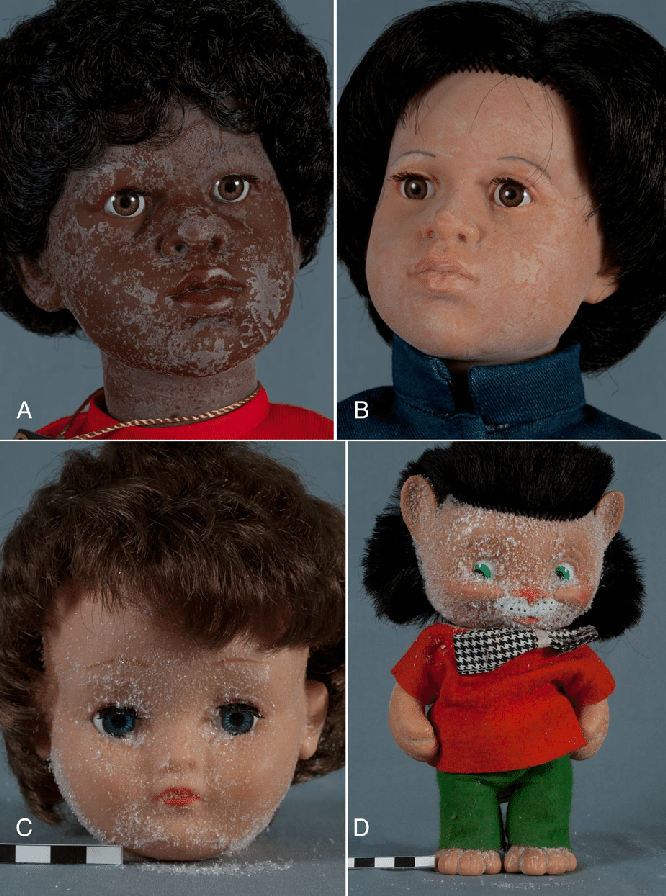
Chalking
In plastics, where the outer surface oxidises and becomes dry and powdery, reducing the surface lustre or sheen. The plastic will become more susceptible to ingrained soiling.
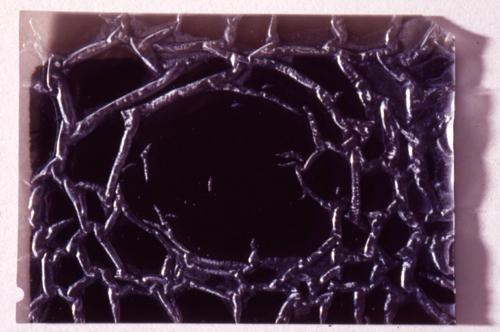
Channelling
In film, buckling of the emulsion layer due to shrinkage of the base layer.
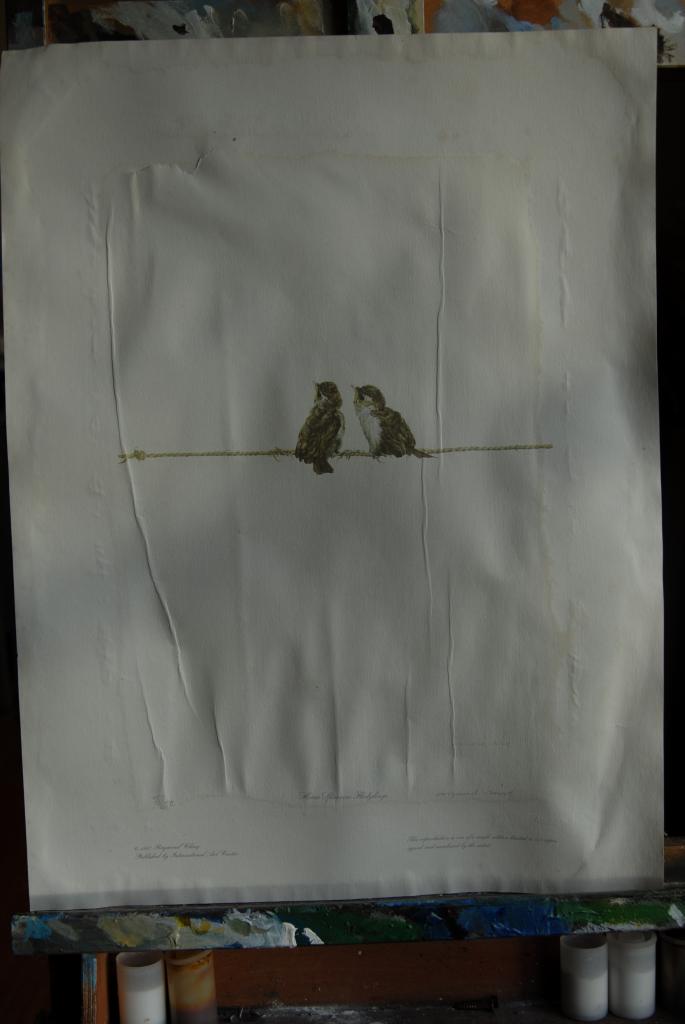
Cockling
Wrinkling or puckering that occurs when paper, fabric, or any sheet of support material dries unevenly.
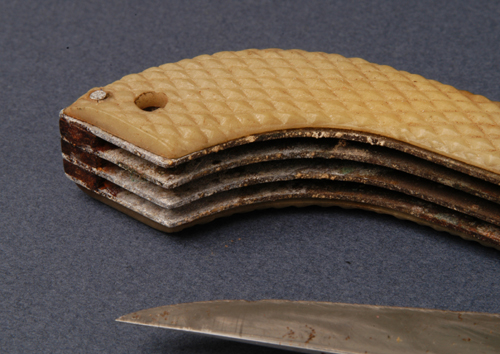
Corrosion
Gradual deterioration of metals due to chemical processes such as oxidation or the action of a chemical agent. Some corrosion products, like metal patinas, can be protective; others, like rust, can be harmful. Corrosion is often accelerated by contact with materials that generate acidic vapours – e.g. wood, plastics.
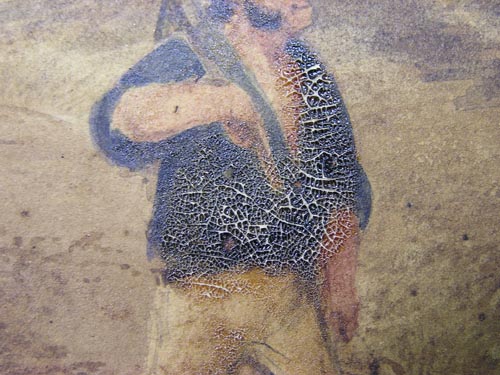
Craquelure
A network of fine cracks in a varnish or paint layer, which may be caused by several different deterioration mechanisms; e.g. different rates of drying between two layers, or the increasing brittleness of one layer relative to another.
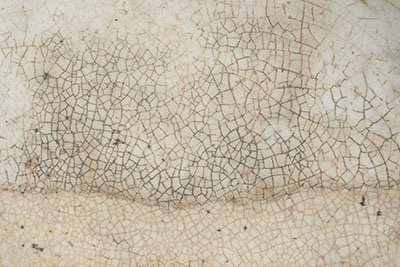
Crazing
Describes a fine or microscopic network of cracks in a varnish, glaze or coating. Can cause the surface to appear cloudy due to changes in the way the surface reflects light.
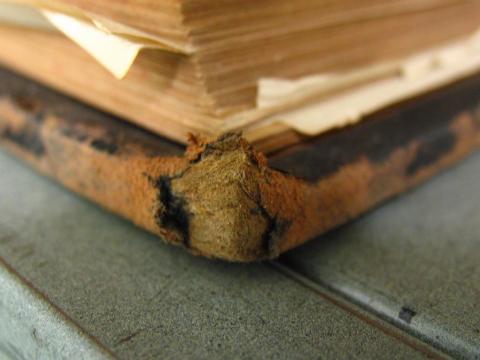
Delamination
Separation of individual layers of a laminated material from one another – e.g. the emulsion layer from a glass plate negative; layers within a sheet of board.
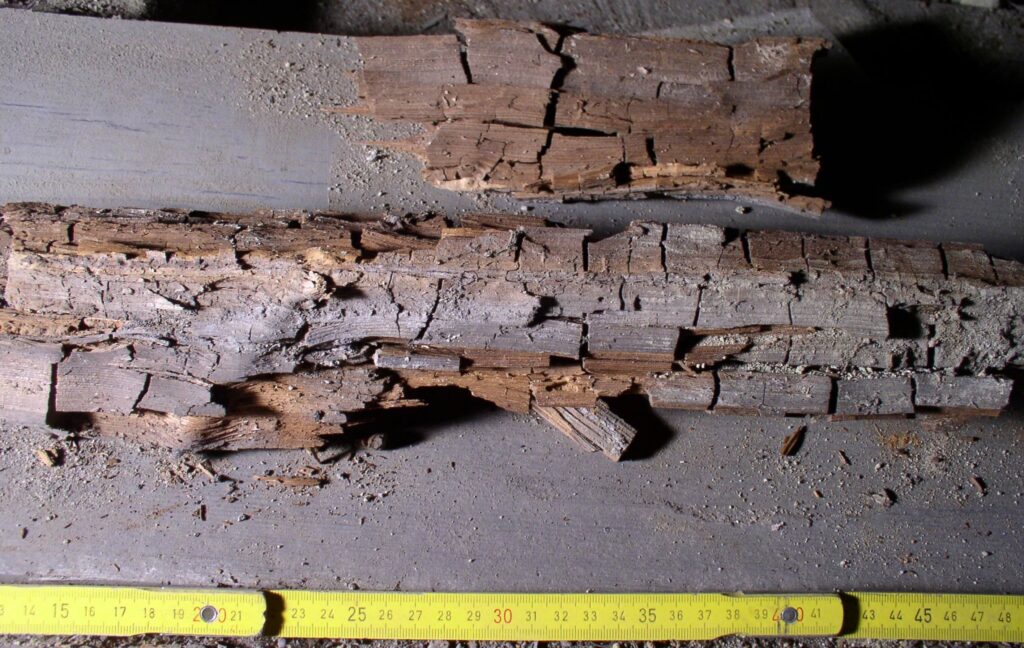
Dry rot
A fungal disease which attacks seasoned timbers, often causing the wood to be reduced to a dry, crumbly texture or to structurally collapse.
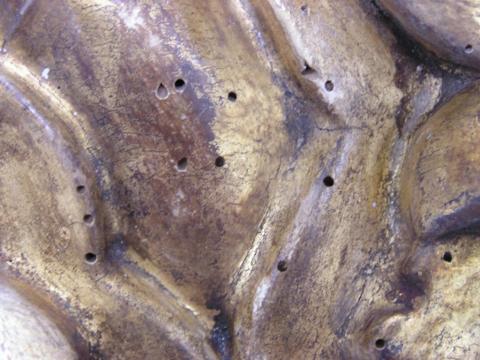
Exit holes
Adult female borer beetles lay eggs within susceptible timbers; books and stacked paper may also provide a suitable habitat. The eggs hatch into larvae, which feed on the starch content of the wood and create networks of tunnels. When fully grown, the larvae pupates to become an adult beetle, finally emerging through a hole made in the surface of the wood to continue the life cycle. The presence of exit holes and frass indicates the presence of borers. Exit holes are perfectly round; an elliptical hole usually means the hole existed before the wood was shaped or cut.
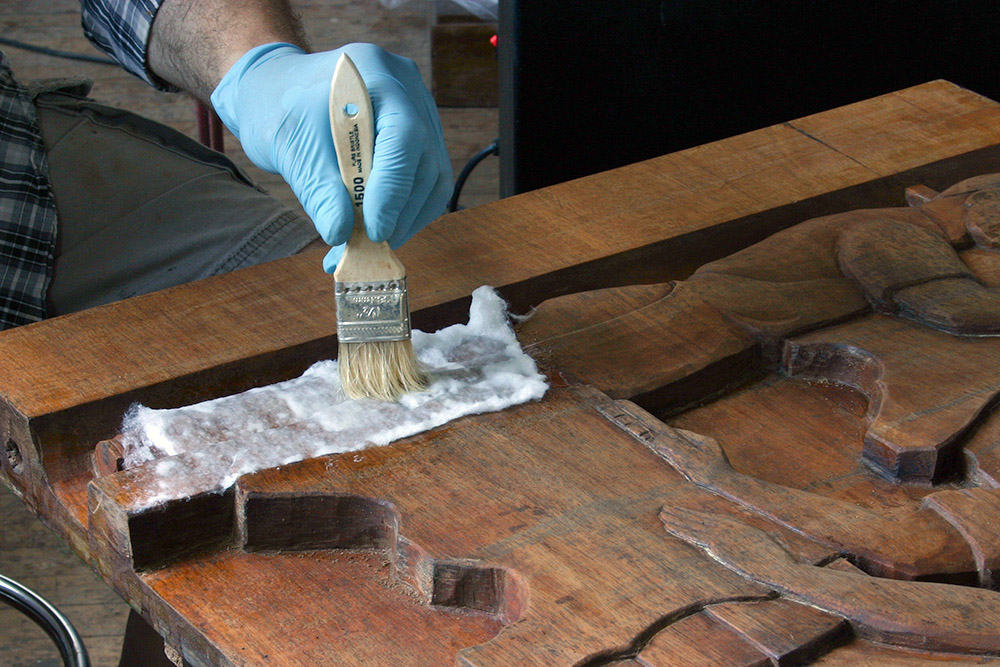
Ferrotyping
Where two smooth surfaces, one being plastic, come into contact under pressure, causing a shiny surface to be imparted to the non-plastic material.
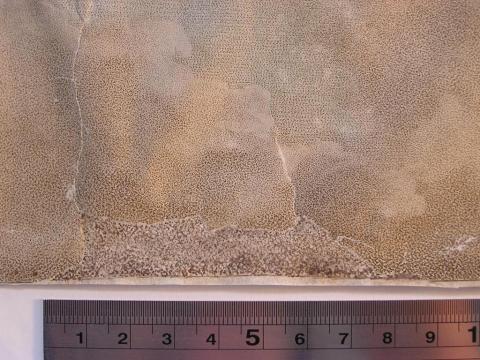
Fill
Where a small piece has been added to an object to replace a missing piece. Fills may be coloured and textured to blend in with the original surface.
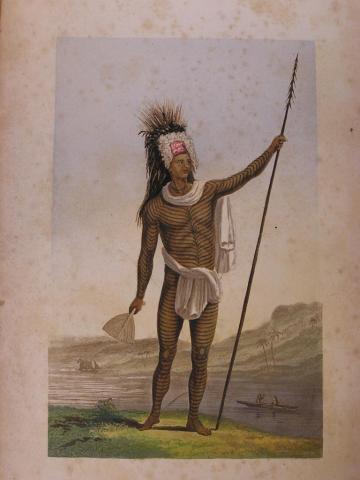
Foxing
Localised discolouration of paper, usually appearing as random rust-coloured spots. Caused by both mould growth or metal impurities within the paper and exacerbated by high humidity, dampness and airborne acids.
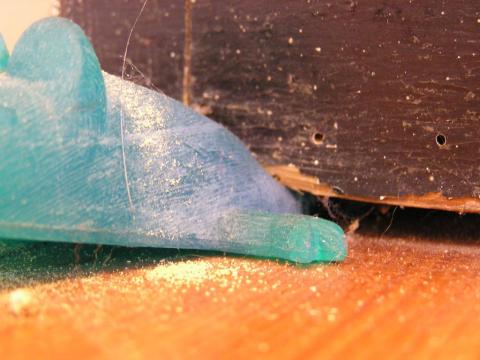
Frass
The dust-like debris or excrement left behind by wood-eating larvae and borers.
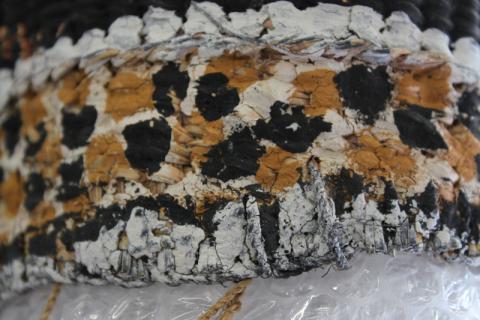
Friable
Some materials used to create works of art, such as pastels and charcoal, contain very little binding agent. Friable media can separate from their support through friction or abrasion, or may easily crumble into a powdery form. Wood damaged by dry rot may also have a friable surface.
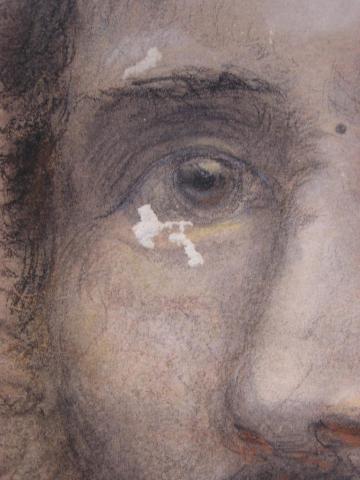
Grazing
Where surfaces have been partially eaten by insects such as silverfish and booklice. Most frequently found on paper-based items such as labels, photographs and sized papers.
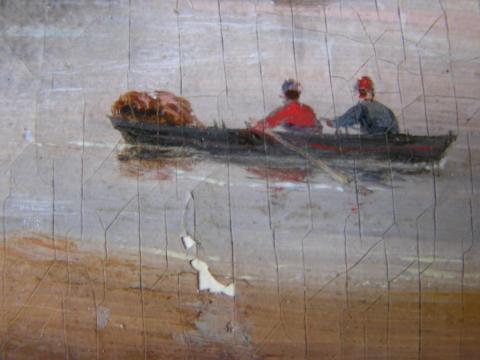
Loss
Describes where any element or piece of a surface or image is missing. Also known as a lacuna in painting.
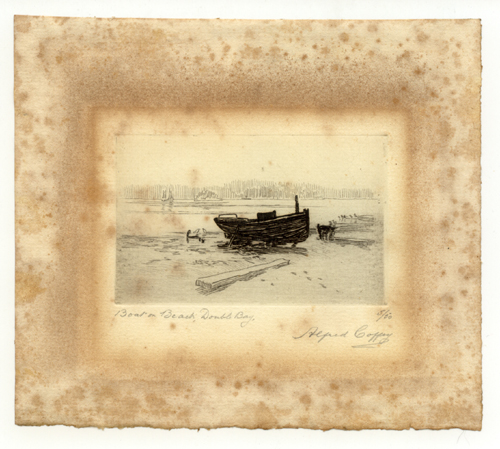
Mat burn
A localised stain, usually on paper, caused by contact with an acidic mat board. The cut edge of the window mat releases a higher quantity of acidic vapours, which discolour the adjacent paper.
Off-gassing
The process of a material giving off gaseous matter, through its structure, into the environment. Off-gassing often occurs after fumigation and during the curing of paints and varnishes. Other materials give off vapours as they decay – e.g. cellulose nitrate film. Also called out-gassing.
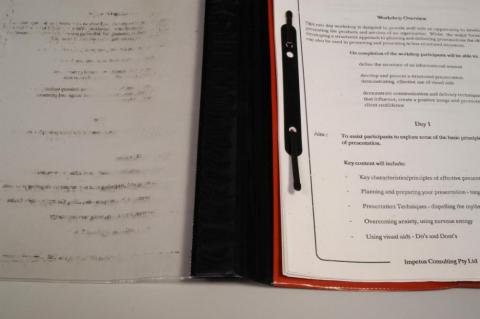
Off-setting
Where a plastic sheet or sleeve adheres to the ink or image layer of documents or photographs. Often occurs with polyvinyl chloride (PVC) plastics, as the plasticiser used in PVC acts as a solvent which attracts toners and dyes.
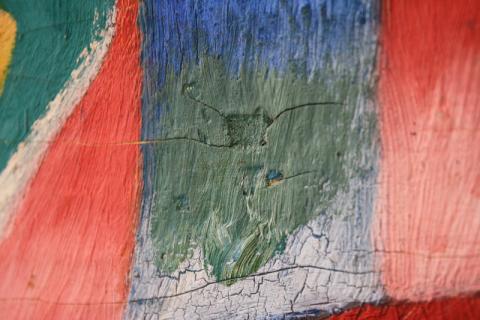
Overpaint
Where colour has been applied over the original surface to disguise damage or loss.
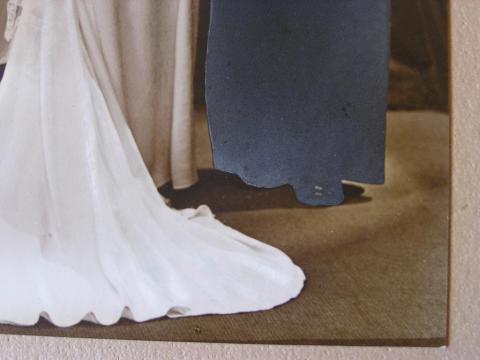
Silver mirroring
Describes the mirror-like appearance of some black and white photographs, where oxidation has caused silver to migrate to the surface of the emulsion.
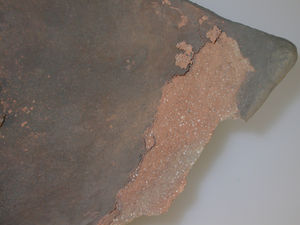
Spalling
Where small pieces of stone flake off or split into chips; usually caused by frost damage.
Sweating
In plastics, where various additives (e.g. plasticisers, stabilisers and fire retardants) leach out of the plastic and cause the surface to become moist and tacky.

Tarnish
Discolouration of a metal surface due to the formation of a thin film of oxide, sulphide or some other corrosion product. Used most often to describe the black corrosion product that forms on silver.
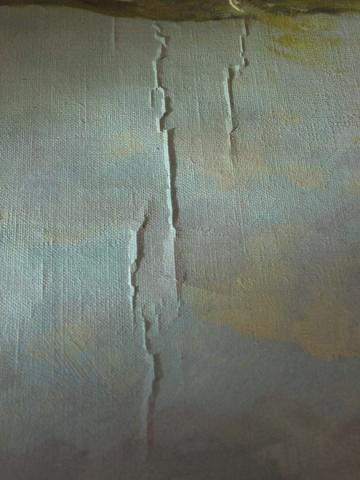
Tenting
Delamination of paint layers above a crack or network of cracks, where the delaminating material lifts upwards to resemble a peaked tent.
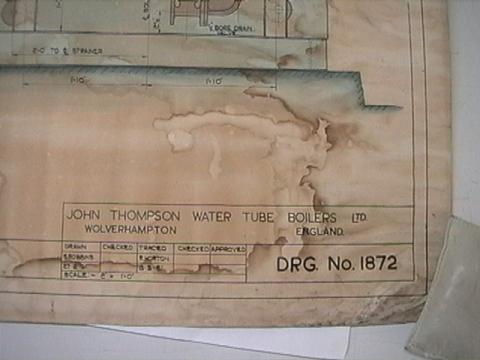
Tidemark
Localised discolouration that forms at the edges of liquid stains, on drying. The staining material may have been within the liquid or the object; both will be carried to the edge of the evaporating liquid and “pinned” in place by surface tension, causing the characteristic pattern.
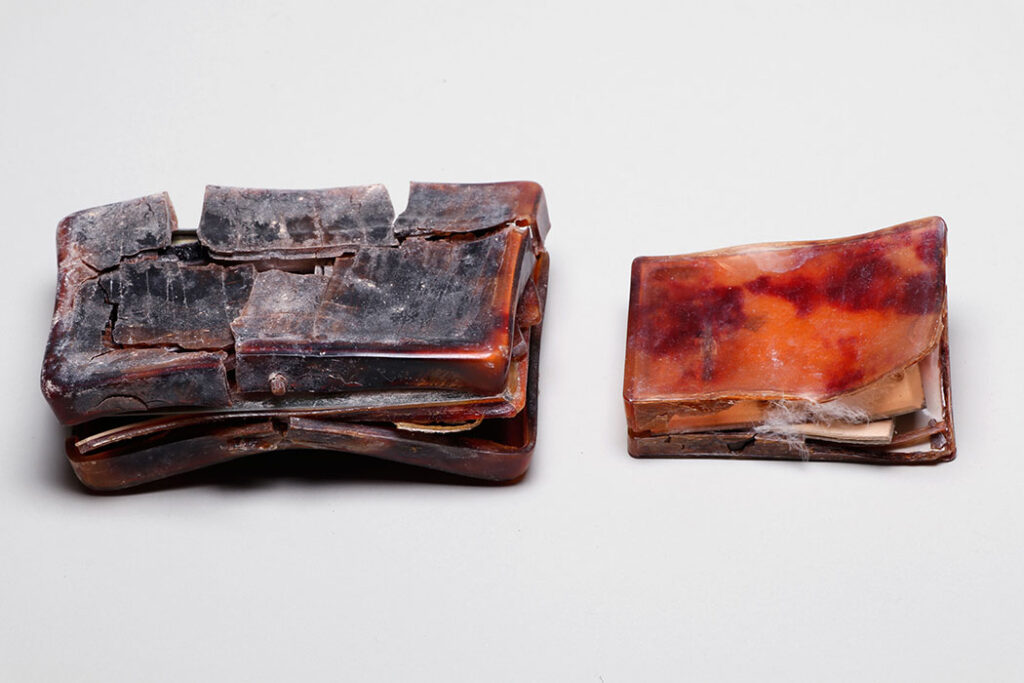
Warping
Results in changes to the object’s original dimensions; often occurs along lines of stress within the material. More often applied to wood and other more solid constructions than to thin materials such as paper.